Understanding the Cost of Cosmetic Dentistry in Bakersfield CA
Aesthetic dental work sits in an unusual category. It is personal, visible, and often tied to confidence, yet it is still healthcare. That combination makes pricing feel confusing for many patients. Someone hears that veneers cost one number, whitening costs another, and then a friend mentions they paid far more because they needed bite adjustments or old fillings replaced first. All of that is normal.
When people start researching Cosmetic Dentistry Bakersfield Cosmetic Dentistry Bakersfield CA CA, they are usually trying to answer a simple question: what will this actually cost me? The honest answer is that cosmetic dentistry is not one service. It is a broad group of treatments, each with different materials, time requirements, lab costs, and long term maintenance needs. Two smiles can look similar in photos and still require very different treatment plans.
Bakersfield patients tend to be practical about this. They want attractive results, but they also want to know whether the investment is sensible, what drives the fees, and where the line is between paying for quality and overpaying for branding. Those are fair questions, and they deserve clear answers.
Why cosmetic dentistry prices vary so much
The biggest mistake people make is assuming they are comparing the same treatment across offices. They usually are not. A quote for porcelain veneers from one practice may include records, digital imaging, temporary restorations, gum contouring, and several refinement visits. Another quote may cover only the veneers themselves. One whitening package might include custom trays and follow up gel, while another is a single in office session.
There is also the matter of diagnosis. Cosmetic work is rarely just about color. Teeth may be worn, rotated, chipped, heavily restored, or affected by bite stress. In those cases, the cost rises because the treatment has to solve more than one problem. A veneer placed on a tooth that is grinding heavily may fail early unless the bite is managed and a night guard is added. That is not upselling. That is what protects the result.
Geography influences pricing too, though perhaps not in the simplistic way people assume. Bakersfield does not always price like Los Angeles or San Francisco, where overhead is often higher. Even so, local fees still reflect lab quality, clinical time, staff experience, and the dentist’s training. A highly customized cosmetic case in Bakersfield may still cost less than in larger coastal markets, but it is not bargain dentistry if it is being done properly.
The common procedures and their typical price ranges
For most patients, the first stage is understanding the menu of options. Cosmetic dentistry can be conservative or comprehensive. Some people need a small correction. Others want a complete smile redesign.
Teeth whitening is usually the lowest cost entry point. In Bakersfield, take home professional whitening often falls in the range of roughly $250 to $500, depending on whether it includes custom trays and refill gel. In office whitening can range from about $400 to $900 or more. The higher end usually reflects chair time, stronger materials, and whether the office includes desensitizing treatment or follow up care. Whitening works best when the underlying issue is stain rather than shape, spacing, or structural damage.
Bonding is another relatively affordable option. Cosmetic bonding uses tooth colored resin to repair small chips, close minor gaps, or reshape edges. Many cases land somewhere between $300 and $800 per tooth, sometimes more if the shaping is highly artistic or the case is in a prominent area where layering and polish matter. Bonding can look excellent, especially in the right hands, but it is generally not as stain resistant or durable as porcelain.
Porcelain veneers are where costs begin to climb in a more serious way. In Bakersfield, a single veneer may range roughly from $1,200 to $2,500 per tooth. Some practices may be below or above that depending on the laboratory used, the complexity of the design, and the number of veneers being placed. Veneers are custom restorations, and much of their cost comes from planning, preparation, temporary phases, laboratory artistry, and precise placement. People often focus only on the porcelain itself, but the fee is really paying for the full process.
Crowns can overlap with cosmetic dentistry when the tooth needs full coverage and appearance matters. A porcelain or ceramic crown may cost about $1,100 to $2,200 per tooth in many Bakersfield settings. If the crown is part of a visible smile makeover, aesthetic demands can push the fee upward. Crowns are often chosen when the tooth already has large fillings, cracks, or heavy wear and would not be a good candidate for a more conservative veneer.
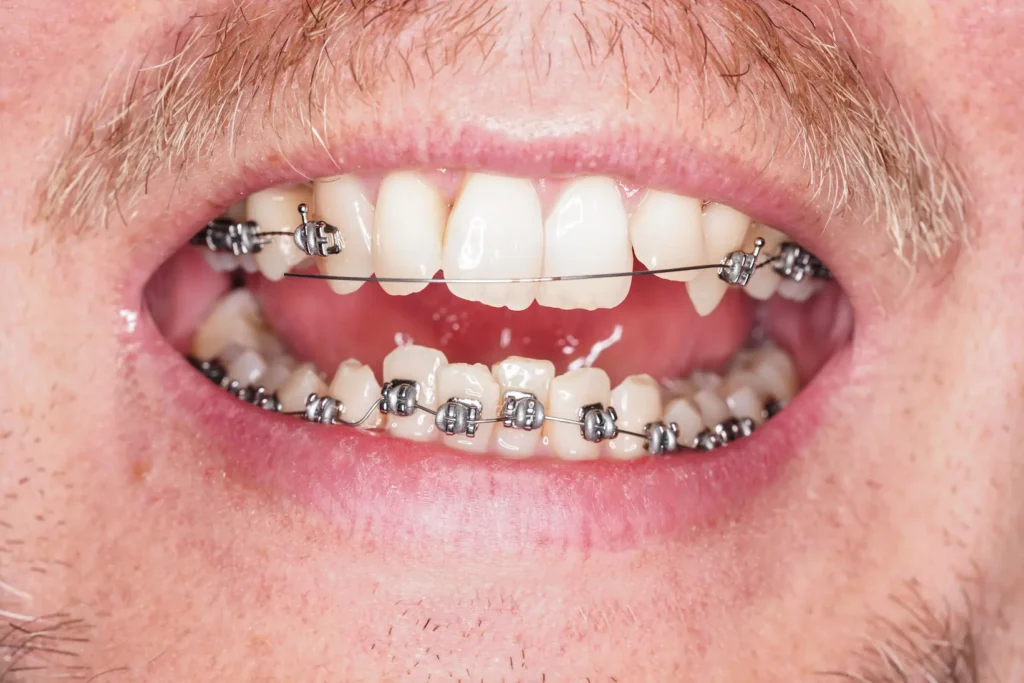
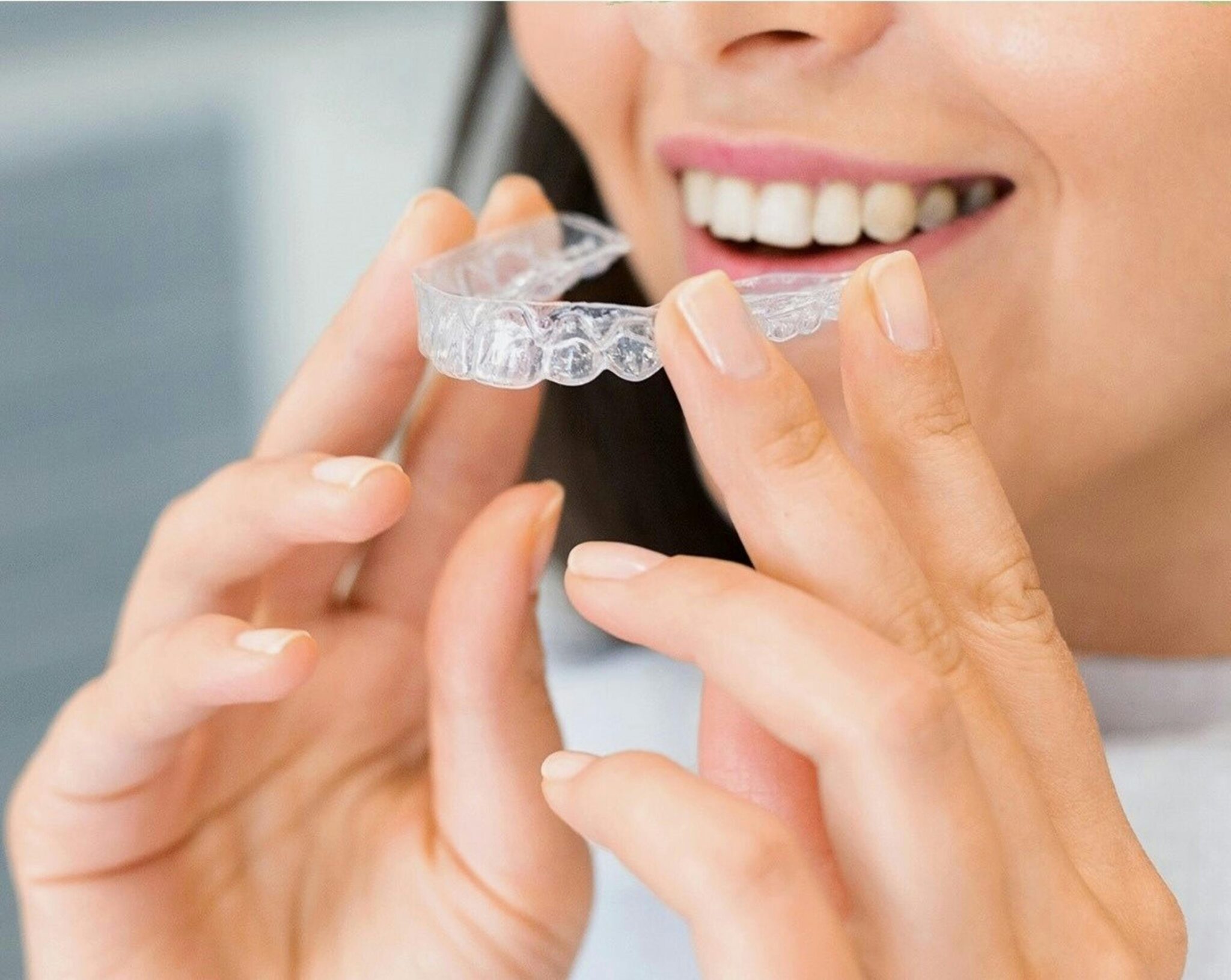
Clear aligners deserve a place in the conversation because straightening teeth often reduces the need for more invasive cosmetic work. Mild to moderate cosmetic orthodontic treatment may range from around $3,000 to $7,000, though complex cases can go higher. Patients are sometimes surprised to learn that alignment first can make whitening or bonding more effective and less expensive in the long run.
Dental implants are not purely cosmetic, but they are frequently part of smile restoration. A single implant case, including the implant, abutment, and crown, often totals between $3,500 and $6,500 or more, especially if bone grafting or sinus work is needed. If a missing front tooth is involved, cosmetic demands make planning even more precise.
Full smile makeovers vary the most. A patient doing eight to ten upper veneers, whitening on lower teeth, minor gum recontouring, and a night guard may spend anywhere from $10,000 to $25,000 or well beyond, depending on the details. Those broad ranges are not meant to be evasive. They reflect reality. Cosmetic dentistry is highly individualized.
What you are really paying for
Patients often assume the price is mostly about materials. In practice, the visible material is only one part of the bill. The rest comes from judgment, time, and execution.
A beautiful cosmetic result begins with planning. Records may include photographs, digital scans, bite analysis, radiographs, and shade evaluation under proper lighting. In complex cases, wax ups or digital mockups help preview the final shape. Those planning steps are not glamorous, but they are what prevent expensive surprises later.
Lab work is another major factor. There is a clear difference between mass produced restorations and ceramics made by a skilled dental technician who understands translucency, surface texture, edge anatomy, and facial harmony. Patients may not know how to describe that difference, but they can usually see it. Natural looking cosmetic dentistry rarely comes from the cheapest lab.
Then there is the clinical skill involved in preparation and placement. Bonding a small chip on a back tooth is not the same as shaping six upper front veneers that must match the lips, face, bite, and lower teeth. The margin placement, reduction depth, retraction technique, provisional design, and cementation protocol all affect how the final work looks and how long it lasts.
A lower fee may be appropriate in some straightforward cases. It can also be a warning sign if the quote seems dramatically below the local norm for a complex aesthetic procedure. Dentistry has hard costs. Good ceramics, experienced staff, quality photography, and careful follow up all cost money.
The hidden expenses that change the final number
This is where patients get caught off guard. They come in expecting one cosmetic service and discover that the mouth needs preparation first.
Some of the most common cost adders include:
- replacing failing fillings or decay before cosmetic work begins
- treating gum inflammation or periodontal disease
- adjusting bite issues, clenching habits, or severe wear
- extracting hopeless teeth or planning around missing teeth
- adding retainers or a night guard to protect the finished result
These are not side issues. They often determine whether cosmetic treatment is predictable. A patient who wants veneers but has active gum bleeding may need hygiene or periodontal care first. Someone planning whitening may need old visible fillings replaced afterward because restorations do not bleach like natural enamel. A person with a strong grinding pattern may need occlusal adjustment and a protective appliance. Each step adds cost, but skipping them can turn a cosmetic investment into a short lived one.
Insurance and financing, what to expect
Dental insurance can be frustrating here because many cosmetic treatments are classified as elective. Whitening is almost never covered. Veneers usually are not. Bonding or crowns may receive partial benefits if there is a restorative reason, such as a fractured tooth or failing restoration, but it depends heavily on the plan language and documentation.
It helps to think in categories. If the procedure primarily changes appearance, insurance is less likely to contribute. If it restores function or replaces damaged tooth structure, there may be some benefit. Even then, cosmetic upgrades can create out of pocket costs. For example, an insurer may reimburse part of a basic crown allowance, but not the full fee for a highly aesthetic all ceramic crown in the smile zone.
Many Bakersfield dental offices offer financing through third party lenders or in house phased treatment plans. Financing can make larger cases manageable, but patients should still look at the total obligation, including interest if applicable. Monthly affordability matters, yet so does understanding the full cost over time.
Why the cheapest cosmetic option often becomes the expensive one
There is a specific pattern that repeats itself in cosmetic dentistry. A patient chooses a low quote based on the assumption that all veneers, all crowns, or all whitening systems are roughly equal. Then the work looks bulky, the shade is off, the gums become irritated, or the bite feels wrong. Correcting a failed cosmetic case can cost more than doing it properly from the start.
This is especially true with front teeth. Small errors are obvious. A millimeter of length, a too opaque shade, or unnatural contouring can change a whole smile. Redo cases are also harder because the dentist now has to work around existing preparations, irritated tissue, or compromised enamel. That complexity raises the fee.
None of this means the highest priced office is automatically the best. It means that price should be evaluated alongside photographs of actual cases, the clarity of the consultation, the thoroughness of the exam, and the way the dentist explains risks and alternatives. Quality is visible in the process as much as in the final images.
Bakersfield factors that can influence your treatment plan
Bakersfield has a broad patient base, and that matters. Some patients want a polished, camera ready look. Others want subtle improvement that no one can quite identify. Those goals lead to different plans and price points.
Lifestyle also plays a role. Patients who work outdoors, drink coffee throughout the day, or have a history of dry mouth may need more maintenance after whitening or bonding. People with physically demanding jobs or stress related clenching may place heavier forces on restorations. A local office familiar with those patterns will often discuss longevity in practical terms instead of making idealized promises.
Another factor is access to comprehensive care. Some Bakersfield practices coordinate cosmetic treatment with orthodontics, implants, periodontal care, or oral surgery. That coordination can streamline treatment, though it may not reduce the total fee. What it often reduces is confusion and the risk of incompatible planning between providers.
When a conservative approach makes more sense
Not every cosmetic concern requires porcelain. In fact, one sign of a thoughtful clinician is a willingness to recommend less treatment when less will do the job.
A patient with healthy enamel, mild crowding, and yellowing might be best served by aligners followed by whitening. Someone with one chipped incisor and otherwise attractive teeth may do beautifully with bonding. A person considering ten veneers because of spacing issues may discover that short term orthodontics plus contouring creates a more conservative and less expensive result.
There is real value in preserving natural tooth structure. Veneers can be wonderful when indicated, but they are still a commitment. Once teeth are prepared, they require maintenance and eventual replacement at some point in life. For the right patient, that trade off is acceptable. For the wrong patient, it can be more treatment than necessary.
Questions worth asking at the consultation
Price matters, but the consultation should answer more than the fee. A good cosmetic discussion leaves the patient with a sense of what is being proposed, why it fits their mouth, and what ownership looks like afterward.
Here are a few useful questions to ask:
- what is included in the quoted fee, and what might increase it
- how long should this treatment realistically last in my case
- are there more conservative alternatives that could meet my goals
- will I need retainers, whitening maintenance, or a night guard afterward
- can I see before and after cases similar to mine
Those questions usually reveal a lot. A dentist who can explain trade offs clearly is often more trustworthy than one who rushes to the most expensive option. Patients should leave understanding not just the ideal result, but the maintenance burden and the likely lifespan of the work.
Timing, maintenance, and the long view of value
One of the most overlooked parts of cost is when that cost occurs. Whitening may be inexpensive upfront, but it typically requires touch ups. Bonding can chip or stain and may need periodic polishing or repair. Veneers cost more initially, but may maintain color and shape longer if the case is well planned and the patient protects them.
That does not make one option inherently better. It simply means cost should be viewed over years, not just on the day treatment begins. A younger patient who chooses bonding to preserve enamel may accept occasional maintenance as a worthwhile trade. Another patient may prefer the longer term polish and stain resistance of porcelain and feel comfortable with the higher initial investment.
This is where personal judgment matters. The best value is not always the lowest number, and it is not always the most comprehensive treatment. The best value is the option that fits the patient’s goals, biology, habits, and budget without creating unnecessary future problems.
How to compare quotes without getting lost
When patients collect multiple opinions for Cosmetic Dentistry Bakersfield CA, they often end up with wildly different numbers and no easy way to compare them. The key is to ask each office to clarify what is included and what assumptions were made.
Does the veneer fee include temporaries, design previews, and follow ups? Is whitening included before shade matching? Are Cosmetic Dentistry Bakersfield CA retainers or night guards separate? Were necessary restorative repairs identified before the cosmetic plan was priced? A quote that looks lower may simply have fewer pieces built into it.
It also helps to compare the philosophy behind the recommendation. One dentist may prioritize minimal intervention. Another may prioritize uniformity and symmetry. Neither approach is automatically wrong, but they are not equivalent, and their costs will differ.
If a treatment plan feels confusing, that is a sign to slow down. Cosmetic dentistry should be elective enough that patients can understand what they are buying.
The bottom line for Bakersfield patients
Cosmetic dental costs in Bakersfield can range from a few hundred dollars for simple whitening or bonding to many thousands for veneers, implants, or a full smile makeover. That spread is normal because cosmetic treatment is not a single commodity. It is a blend of art, engineering, diagnosis, materials, and maintenance.
The smartest way to approach it is to focus on fit rather than sticker shock alone. Ask what your mouth actually needs, what the fee includes, what will protect the result, and what level of upkeep to expect over time. A clear, conservative, well explained treatment plan is usually a better sign than a flashy sales pitch or an unusually low quote.
Good cosmetic dentistry should make you feel informed before it makes you feel impressed. When that happens, the numbers start to make more sense.
Toothworks of Bakersfield, Dentist and Orthodontist
Address: 1030 H St #1, Bakersfield, CA 93304
Phone number: +16613239421
FAQ About Cosmetic Dentistry Bakersfield CA
What is considered cosmetic dentistry?
Cosmetic dentistry includes any dental treatment focused primarily on improving the appearance of your teeth, gums, or bite rather than treating a disease or restoring basic function.
How much does cosmetic dentistry usually cost?
The cost of cosmetic dentistry typically ranges from a few hundred dollars for minor touch-ups to over $20,000 for a comprehensive smile makeover, depending entirely on the specific procedure, materials used, and how many teeth are treated. Because most cosmetic treatments are elective, they are usually paid out of pocket without insurance coverage.
Is there a difference between a regular dentist and a cosmetic dentist?
Yes, a regular dentist focuses on your overall oral health and preventing disease, while a cosmetic dentist focuses on improving the look of your smile.