How Invisalign Complements Cosmetic Dentistry Bakersfield CA
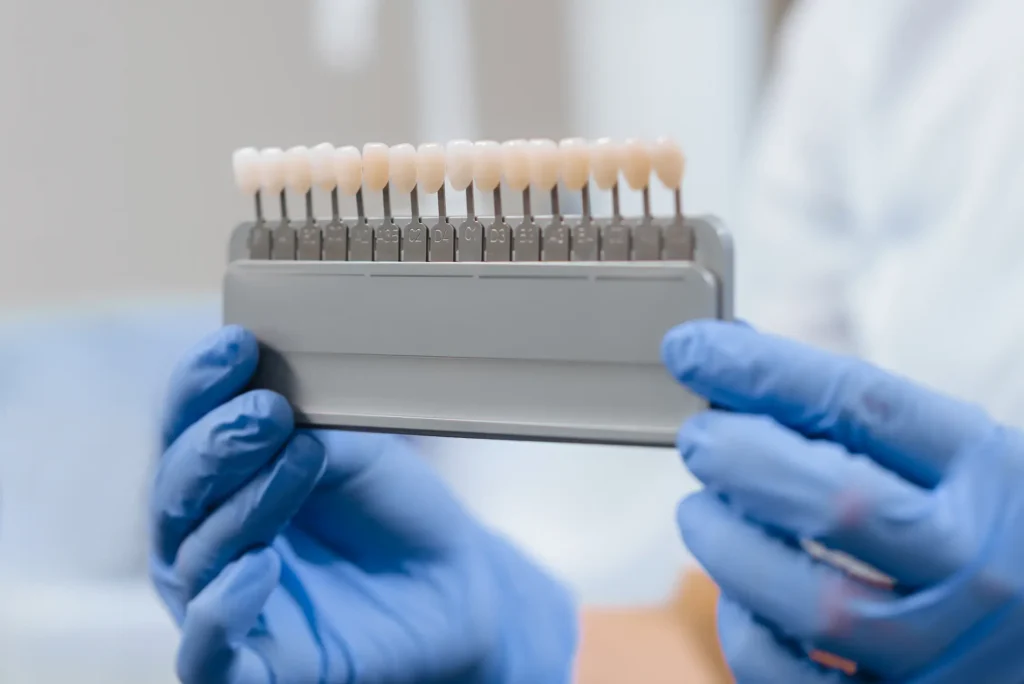
A straight smile and a beautiful smile are not always the same thing, but they are closely related. That distinction matters when people start exploring cosmetic dental treatment. Many patients come in asking about whitening, veneers, or bonding because they want a more polished look. What they often discover is that alignment plays a quiet but powerful role in the final result. If the teeth sit in the wrong positions, even very good cosmetic work can look compromised.
That is where Invisalign fits so well into a broader treatment plan. In many cases, it creates the foundation that allows cosmetic improvements to look more balanced, last longer, and require less aggressive dental work. For people researching Cosmetic Dentistry Bakersfield CA, this relationship is worth understanding before making decisions that affect both appearance and tooth structure.
The link between alignment and cosmetic results
Cosmetic dentistry is usually associated with color, shape, and symmetry. Patients notice stains, chips, worn edges, narrow smiles, or uneven front teeth. What they may not notice right away is that the problem is sometimes positional rather than purely cosmetic. A tooth that looks too short may actually be tucked behind another tooth. A dark triangle near the gumline may be caused by crowding. A smile that feels off-center may reflect bite imbalance more than discoloration.
When the teeth are misaligned, cosmetic procedures can only do so much on their own. Whitening can brighten teeth, but it cannot make a rotated canine sit naturally in the arch. Bonding can close a small gap, but if the neighboring teeth lean inward or outward, the repair may look bulky. Veneers can change shape and color dramatically, but if the underlying tooth positions are far from ideal, the restorations often need to be thicker, wider, or more extensive than they otherwise would.
Invisalign addresses that underlying geometry. By moving teeth into more favorable positions first, it often makes later cosmetic treatment simpler and more conservative. That matters to both dentists and patients. Conserving enamel is almost always a good goal. So is creating a result that looks like the patient was born with it, rather than one that feels obviously dental.
Why Invisalign is often the first move
There is a practical reason many cosmetic cases start with alignment. Teeth that are straighter are easier to evaluate accurately. Once the crowding, spacing, or minor bite issues are improved, the dentist can see more clearly what still needs attention. Sometimes a patient who thought they needed six veneers ends up needing whitening and a bit of bonding. Sometimes the reverse is true, but the plan becomes more precise after alignment.
Invisalign is especially useful in adults who want changes without the appearance of traditional braces. That is a major factor in a professional community like Bakersfield, where patients may spend their workday in meetings, on job sites, in sales, or with the public. Clear aligners offer discretion, but their value goes well beyond appearance during treatment. They also allow the cosmetic dentist to move teeth gradually while monitoring how those changes affect smile line, gum display, and bite function.
That combination is important. Cosmetic dentistry should not be disconnected from function. A smile can photograph well and still chip, wear down, or feel uncomfortable if the bite is unstable. Invisalign can help create the spacing and positioning needed not just for a nicer look, but for a result that behaves well under daily use.
Cases where Invisalign improves cosmetic treatment planning
Some of the best cosmetic outcomes happen when Invisalign solves the small structural problems that would otherwise limit esthetic work. These are not rare edge cases. They show up every week in practice.
A patient may have one front tooth slightly behind the other. On first glance, veneers seem like the obvious answer. But if the dentist places veneers without correcting the overlap, one restoration may need to be overbuilt to disguise the position difference. That can lead to a smile that looks heavier on one side. A few months of aligner therapy may bring both teeth into harmony, allowing for lighter, more natural cosmetic refinement.
Another common example involves spacing. A patient may want to close a gap between the front teeth, but the issue is not just one gap. There may be uneven spacing spread across several teeth. Closing only the center space with bonding can create proportions that look too wide or too square. Invisalign can redistribute space so that any final bonding or veneer work fits ideal tooth proportions more closely.
Then there is edge wear. Adults who have slight crowding often grind or rub certain teeth unevenly over time. The result is chipping, flattening, and asymmetry. If the bite remains uncorrected, repairing those edges cosmetically may solve the visual problem for a while, but the same forces can damage the new work. Aligners can help place the teeth in a more favorable relationship before the cosmetic repairs are completed.
What Invisalign can do before whitening, bonding, or veneers
People sometimes assume Invisalign and cosmetic dentistry are separate tracks. In reality, they often overlap. A well-sequenced plan uses each treatment for what it does best.
Whitening works best when the teeth are already in their ideal positions, because the patient can judge the smile more accurately. A rotated or overlapped tooth catches light differently and may still look darker even after bleaching. Once alignment is corrected, whitening tends to create a more even effect across the smile.
Bonding becomes more predictable after Invisalign because the dentist can use less material. That is not a small point. The less composite resin needed to fake alignment, the more natural the contours usually look. Thin, targeted bonding can refine shape, close tiny residual spaces, or repair edges beautifully. Thick bonding used to compensate for poor position has more visual and mechanical challenges.
Veneers can also become more conservative after tooth movement. In some cases, alignment reduces the amount of enamel reduction needed. For patients concerned about preserving natural tooth structure, that can be decisive. A veneer plan built on already aligned teeth often looks cleaner and requires fewer compromises in thickness and emergence profile near the gums.
A realistic look at what Invisalign does not solve
It is just as important to say what Invisalign cannot do on its own. Aligners move teeth. They do not bleach enamel, erase deep internal discoloration, lengthen worn edges, or rebuild chipped corners. They cannot change the shape of a peg lateral, repair old fillings, or dramatically alter tooth proportion if the teeth are naturally small.
That means many patients benefit from a combination approach. Invisalign creates the framework, then cosmetic dentistry finishes the details. This is often the most satisfying path because it addresses both structure and appearance. Patients end up with a smile that is straighter, Cosmetic Dentistry Bakersfield CA Toothworks of Bakersfield, Dentist and Orthodontist brighter, and more balanced, without asking any one treatment to do everything.
There are also limits tied to complexity. Severe bite discrepancies, significant jaw issues, or advanced wear may require a more involved orthodontic or restorative plan. A good cosmetic dentist will recognize when Invisalign is sufficient and when a patient needs collaboration with an orthodontist or specialist.
The Bakersfield factor, lifestyle matters more than people think
Treatment choices are never made in a vacuum. In Bakersfield, many adults want efficient care that fits around work, family schedules, and public-facing responsibilities. That often shapes how they feel about orthodontic treatment. Some postponed braces as teenagers. Others had braces years ago and saw their teeth shift back. Many are now ready to improve their smile, but they want the process to feel manageable.
That is one reason Invisalign has become such a natural complement to Cosmetic Dentistry Bakersfield CA patients often seek. Clear aligners are removable for meals, brushing, special events, and professional interactions. That convenience helps people stay committed. It also makes it easier to preserve oral hygiene during treatment, which is especially useful before moving into whitening, bonding, or veneers.
Bakersfield patients also tend to be practical. They want to know if a treatment is worth doing first, or if they can skip straight to cosmetic work. The honest answer is that it depends on how much alignment is affecting the final outcome. In mild cases, a dentist may reasonably proceed with cosmetic treatment alone. In many others, a few months of Invisalign dramatically improves what is possible.
How a combined treatment plan usually unfolds
The sequence matters. Starting cosmetic treatment too early can lock in compromises that a little tooth movement would have prevented. Most thoughtful treatment plans begin with records, careful photography, bite evaluation, and a frank discussion of priorities. Some patients care most about color. Others care about a single crooked front tooth. Others want the broadest possible improvement without over-treating healthy teeth.
From there, the dentist usually maps out whether Invisalign should come first. If the answer is yes, aligner treatment often runs for several months, sometimes longer depending on complexity. Once the movement is complete, the cosmetic phase begins with much better information and often fewer procedures.
A common sequence looks like this:
- Digital records and smile analysis identify alignment, wear, spacing, and esthetic goals.
- Invisalign moves teeth into more favorable positions and improves the bite where needed.
- Whitening brightens the smile after alignment is complete.
- Bonding or veneers refine shape, proportion, and small residual imperfections.
- Retainers protect the alignment and preserve the cosmetic result.
This order is not mandatory in every case, but it reflects a pattern that makes both biological and esthetic sense.
Small tooth movements can make a big visual difference
People often overestimate how much cosmetic dentistry they need and underestimate what subtle orthodontic correction can do. A two-millimeter shift can sound trivial on paper. In the smile zone, it can change everything. Midlines look straighter. Incisal edges line up. Crowded corners open enough for better cleaning. Gum contours become easier to judge. Even lip support can appear more balanced when the front teeth are in the right plane.
I have seen patients arrive convinced that they needed a full veneer case because one front tooth crossed over the other and made the whole smile feel uneven. After Invisalign, they looked in the mirror and decided they loved their natural teeth with only whitening and edge bonding. That kind of outcome is easy to appreciate. It costs less than a more extensive cosmetic plan, preserves more enamel, and often feels more authentic to the patient.
The opposite scenario happens too. Sometimes Invisalign reveals underlying issues that were hidden by crowding or rotation. Once the teeth are straight, old discoloration, mismatched fillings, and worn edges become more obvious. That is not a failure of treatment. It is actually clarity. The dentist and patient can then make better decisions about what finishing work is truly worthwhile.
Oral health benefits that support cosmetic longevity
Straight teeth are not just easier on the eyes. They are often easier to maintain. When teeth overlap or twist, plaque collects in hard-to-reach areas. Flossing becomes frustrating. Patients may clean well in general and still miss spots consistently. Over time, inflamed gums can undermine even excellent cosmetic work.
This matters because the nicest veneer or bonding case in the world still depends on healthy supporting tissue. Inflamed or uneven gums can make beautiful restorations look average. If aligners reduce crowding and improve cleansability, the cosmetic result gains a better environment in which to last.
Wear patterns matter too. If certain teeth hit too hard or too soon, cosmetic repairs on those teeth may chip or stain faster. Aligning the bite before restoring the smile can lower those risks. Nothing in dentistry lasts forever, but smart sequencing often extends the life of esthetic treatment.
Questions worth asking before starting
Patients shopping for smile improvement often focus on the visible finish line, which is understandable. The better questions usually concern planning and restraint. Does the dentist see a way to improve the smile conservatively? Are they recommending veneers because veneers are necessary, or because alignment problems are being skipped? Is the bite being evaluated, or just the front surfaces of the teeth?
A useful consultation should address more than color and shape. It should cover tooth position, gum architecture, facial balance, and long-term maintenance. It should also include a realistic conversation about timing. Some people want a rapid transformation for a wedding, graduation, or career milestone. Sometimes that justifies a direct cosmetic route. Often, if the timeline allows, Invisalign first produces a stronger result with fewer trade-offs.
Here are a few practical questions that help clarify the right path:
- If my teeth were straighter first, would I need less bonding or fewer veneers?
- Are my cosmetic concerns mainly about color and shape, or are they partly alignment issues?
- Will my bite put future cosmetic work at risk if it is not corrected?
- How long would Invisalign likely take in my case?
- What kind of retainer or maintenance plan will protect the result?
Those answers tend to reveal whether a provider is thinking comprehensively or just procedurally.
Retention, the step patients should not treat casually
One of the biggest mistakes after Invisalign is assuming the hard part is over. Teeth move throughout life. They respond to pressure, habits, grinding, and age-related changes. If a patient invests in aligners and cosmetic finishing but neglects retention, the smile can gradually drift. Even a slight relapse can reopen spaces or crowd the lower front teeth, affecting appearance and function.
Retainers are not glamorous, but they are essential. This is particularly true after a combined Invisalign and cosmetic case. Cosmetic dentistry often depends on precise spacing and alignment. A bonded edge or veneer margin can look perfect when teeth are stable and noticeably off when teeth shift.
The best dentists make this clear from the beginning. Maintenance is part of the treatment, not an optional extra. For many patients, the retainer is what protects the return on the whole process.
When skipping Invisalign may be reasonable
There are situations where cosmetic treatment without aligners makes sense. If the alignment issues are minimal and the patient’s main complaint is shade or minor shape irregularity, whitening or conservative bonding may be enough. If someone has a tight deadline and understands the compromises, direct cosmetic treatment may still be a fair option. If the bite is stable and the positional discrepancies are tiny, a dentist may reasonably decide that Invisalign would add time without changing the outcome much.
What matters is not whether every patient gets aligners. What matters is whether the possibility was considered honestly. The strongest cosmetic plans are personalized. They account for anatomy, expectations, time, budget, and how much natural tooth structure should be preserved.
The bigger picture for smile design
The phrase smile makeover can make treatment sound purely visual, almost like selecting finishes in a showroom. Real dentistry is more nuanced. Teeth are not tiles. They move, wear, respond, and function under force every day. A beautiful result has to respect that reality.
That is why Invisalign deserves a place in cosmetic planning. It is not just an orthodontic product that happens to be clear. Used thoughtfully, it is a preparatory tool that can simplify restorative work, improve esthetics, protect enamel, and support long-term stability. For many adults considering Cosmetic Dentistry Bakersfield CA, it provides the missing middle ground between doing nothing and jumping straight into aggressive cosmetic treatment.
A polished smile rarely comes from one procedure alone. More often, it comes from sequencing treatments intelligently, correcting the hidden obstacles first, and using the lightest touch possible once the foundation is right. Invisalign often supplies that foundation. When it does, the cosmetic dentistry that follows tends to look better, feel more natural, and age more gracefully.
Toothworks of Bakersfield, Dentist and Orthodontist
Address: 1030 H St #1, Bakersfield, CA 93304
Phone number: +16613239421
FAQ About Cosmetic Dentistry Bakersfield CA
What is considered cosmetic dentistry?
Cosmetic dentistry includes any dental treatment focused primarily on improving the appearance of your teeth, gums, or bite rather than treating a disease or restoring basic function.
How much does cosmetic dentistry usually cost?
The cost of cosmetic dentistry typically ranges from a few hundred dollars for minor touch-ups to over $20,000 for a comprehensive smile makeover, depending entirely on the specific procedure, materials used, and how many teeth are treated. Because most cosmetic treatments are elective, they are usually paid out of pocket without insurance coverage.
Is there a difference between a regular dentist and a cosmetic dentist?
Yes, a regular dentist focuses on your overall oral health and preventing disease, while a cosmetic dentist focuses on improving the look of your smile.