How Dental Bonding in Bakersfield CA Enhances Your Smile Without Major Work
A lot of cosmetic dental improvements sound bigger than they are. People hear terms like restoration, veneer, or reshaping and assume they are signing up for drilling, multiple appointments, or a dramatic change that does not feel like them. That is one reason Dental Bonding has stayed so popular. It can make a noticeable difference in a relatively conservative way, often without removing much tooth structure and, in some cases, without removing any at all.
For patients exploring Dental Bonding in Bakersfield CA, the appeal is usually simple. They want to fix something visible, but they do not want to commit to major dental work. Maybe it is a chipped front tooth from years ago, a stubborn gap that catches the eye in photos, or a tooth edge that looks uneven every time they smile. Bonding can address these issues quickly, often in a single visit, while keeping the natural tooth largely intact.
That balance matters. Cosmetic dentistry works best when it respects both appearance and function. A prettier smile is worthwhile, but not if it comes at the cost of unnecessary treatment. Bonding sits in that practical middle ground. It is not the right fit for every situation, and it does have limits, but in the right hands it can produce results that look polished, natural, and proportionate to the rest of the smile.
Why bonding feels like a smaller step
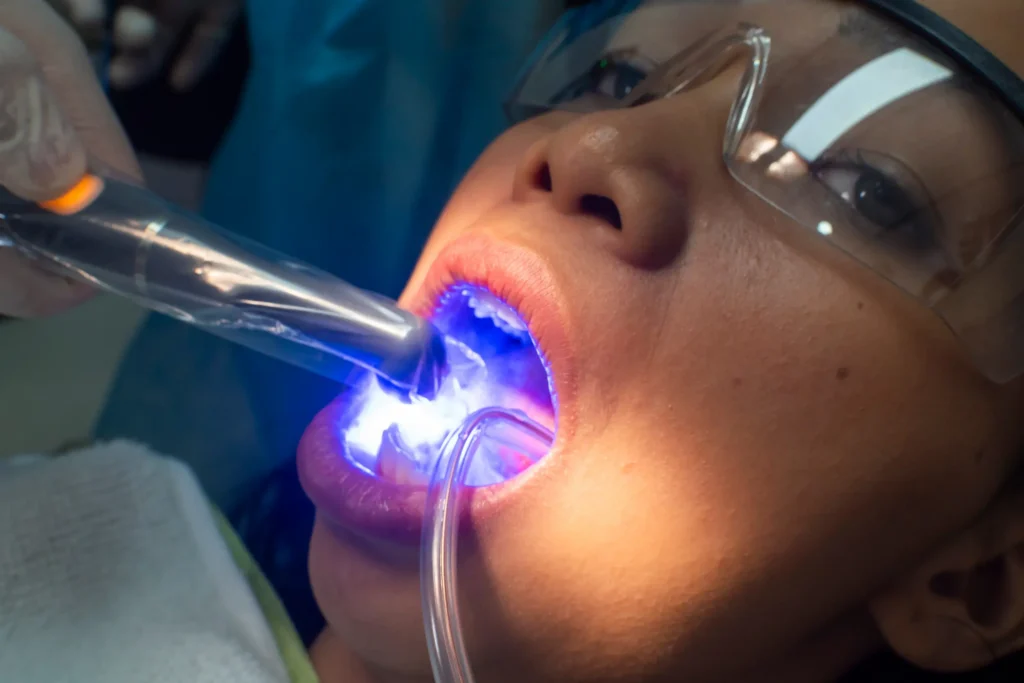
The word “small” can be misleading in dentistry. A modest treatment can still have a big visual impact, especially on the front teeth. Bonding is small in the sense that it is conservative. A tooth-colored composite resin is carefully applied, shaped, and hardened with a curing light. The dentist then trims and polishes the material so it blends with the surrounding enamel.
That process sounds technical, but from the patient’s perspective it is often straightforward. Many bonding cases do not require anesthesia unless the tooth is decayed or the shape change is more involved. There is no laboratory phase the way there is with porcelain veneers or crowns. You usually do not leave with temporary restorations. You come in, the dentist evaluates the tooth, chooses a shade, sculpts the resin, and refines the contours chairside.
For someone who wants improvement without feeling like they are entering a long treatment cycle, that matters. Life in Bakersfield is busy. Between work schedules, school pickup, and everything else that competes for time, a treatment that can often be completed in one appointment has obvious advantages.
What Dental Bonding can realistically fix
Bonding shines when the issue is localized and cosmetic. It is often used on front teeth because those are the teeth people notice first, and because even minor irregularities there can throw off the entire smile.
A chipped incisor is a classic example. The chip may be structurally minor but visually distracting. Bonding can rebuild that missing edge and make the tooth look whole again. The same goes for teeth that are slightly shorter than their neighbors, creating an uneven smile line. A few millimeters of carefully placed composite can change the entire look of the smile without making it appear artificial.
Gaps are another common reason people ask about Dental Bonding in Bakersfield CA. Not every gap should be closed with resin, and not every spacing issue is cosmetic only, but small spaces between front teeth are often good candidates. Closing that gap can soften the eye’s focus and make the smile feel more balanced.
Discoloration can also be part of the conversation, especially when whitening alone will not solve the problem. A tooth that is permanently stained from trauma, a developmental mark, or an old restoration may benefit from bonding if the area is limited and the tooth is otherwise healthy. Composite can mask isolated discoloration more predictably than repeated whitening attempts.
Teeth with slight shape irregularities are often where bonding looks especially elegant. One lateral incisor may be naturally undersized. A canine may look too pointed. An edge may seem flat after years of wear. These are not major defects, but they are the kinds of details that make people self-conscious. Bonding works well here because it is additive. The dentist can build out the exact area that needs support rather than preparing the whole tooth for a larger restoration.
The power of subtle changes
One of the most overlooked truths in cosmetic dentistry is that most people do not need a dramatic overhaul. They need one or two distractions removed.
I have seen smiles transformed by a change so small that it would be hard to spot on a dental model. A chipped corner restored. A tiny dark triangle softened. A front tooth brought into symmetry with its partner. The smile suddenly looks healthier and more relaxed, not because it became perfect, but because it stopped drawing attention to the flaw.
That subtlety is part of what makes Dental Bonding appealing. Good bonding should not announce itself. It should disappear into the smile. The best cases often leave other people saying, “You look great,” without being able to identify why. That is usually a sign the proportions, texture, and shade were handled well.
This is where experience matters. Bonding is technique-sensitive. The material itself is versatile, but the result depends heavily on how well the dentist understands tooth anatomy, light reflection, edge translucency, and facial symmetry. Composite is sculpted by hand, and hand skills show.
When bonding is a smart choice, and when it is not
Bonding is conservative, but conservative does not mean universally appropriate. Case selection is where good dentistry starts.
If a tooth has a very large cavity, a fracture that compromises strength, or heavy bite forces that place repeated stress on the area, a stronger restoration may be the better long-term option. Porcelain veneers, crowns, orthodontic treatment, or other restorative approaches may offer more stability depending on the situation.
Patients who grind or clench their teeth are another important group to evaluate carefully. Bonding can still work for them, but the plan has to account for the extra wear. Sometimes that means limiting the amount of composite used on certain edges. Sometimes it means making a night guard part of the treatment from the start.
Here are a few situations where Dental Bonding often makes sense:
- Small chips or worn edges on front teeth
- Minor spaces between teeth
- Slightly misshapen or undersized teeth
- Isolated discoloration that whitening will not correct
- Patients who want a conservative cosmetic option before considering veneers
The common thread is that bonding works best when the underlying tooth is healthy and the desired change is focused. It is not always the forever solution, but it can be the right solution now, especially for patients who value preserving enamel and avoiding major work.
What the appointment usually feels like
Patients are often surprised by how little drama is involved. After the exam and shade selection, the dentist prepares the surface of the tooth, usually by lightly roughening it and applying a conditioning agent. The composite resin is then placed in layers, shaped to create the right form, and cured with a blue light. Once the final shape is in place, the dentist polishes the surface so it catches light similarly to natural enamel.
The artistry happens in the details. If the edge is too thick, the tooth can look bulky. If it is too flat, it may reflect light in a dull way. If the contours are off by even a little, the tooth can seem longer, wider, or more square than intended. That is why consultation matters. A patient who says, “I want this tooth fixed,” is really asking for a result that fits their face, bite, and neighboring teeth.
Many people go back to work the same day. There is usually no meaningful downtime. The tooth may feel slightly different at first, especially if the shape was adjusted, but that sensation generally fades quickly as the tongue adapts.
The Bakersfield factor: climate, habits, and practical expectations
Location does not change the fundamentals of dentistry, but lifestyle absolutely shapes treatment decisions. Bakersfield patients often want cosmetic improvements that are efficient, practical, and realistic to maintain. They are not always chasing a camera-ready “done” smile. More often, they want their teeth to look healthier and more even in everyday life.
That mindset pairs well with bonding. It offers visible improvement without the cost, time, or commitment of more extensive cosmetic work. It can also be a useful stepping stone. Someone considering veneers later may choose bonding now to address a specific concern while buying time to think through a broader plan.
Daily habits matter too. Coffee, tea, red wine, and tobacco can stain composite over time, just as they affect natural teeth. Bakersfield’s heat does not damage bonding directly, of course, but dehydration and dry mouth can contribute to overall oral health issues if patients are not careful. A dry mouth environment increases cavity risk, and that matters because any restoration performs better when the surrounding tooth stays healthy.
How long Dental Bonding lasts
This is one of the Dental Bonding Bakersfield CA most important conversations to have honestly. Bonding is durable, but it is not indestructible. In many cases, bonding can last several years, often somewhere in the three to ten year range depending on location, bite forces, oral habits, and how much material was placed. A small cosmetic repair on a low-stress area may last quite a while. Bonding on a biting edge in a patient who chews ice or grinds at night may need maintenance sooner.
Composite can chip, stain, or lose its polish over time. That does not mean the treatment failed. It means the material behaves like a real-world restoration. One advantage is that repairs are often relatively straightforward. Unlike some more extensive restorations, bonding can frequently be refreshed or added to without replacing the entire thing.
Patients tend to do best with bonding when they understand it as maintainable cosmetic dentistry rather than a permanent once-and-done fix. That expectation keeps decision-making grounded.
Bonding versus veneers, whitening, and crowns
People often compare bonding to other cosmetic options, but the better question is not which treatment is best in general. It is which treatment fits the problem in front of you.
Whitening is ideal when the teeth are healthy and the main concern is generalized color. It will not rebuild a chipped edge or change shape. Bonding can.
Veneers are stronger, more stain-resistant, and often better for broader cosmetic redesigns, especially when multiple teeth need changes in shape, color, and alignment at once. They also usually involve more planning and, in many cases, more alteration to the tooth than bonding.
Crowns are typically chosen when a tooth needs significant structural support, not just cosmetic refinement. If a tooth is badly broken, heavily filled, or weakened, bonding may not be enough.
A patient with one chipped front tooth and otherwise healthy enamel may be a poor veneer candidate and an excellent bonding candidate. A patient with severe discoloration, multiple old restorations, and bite-related wear on several front teeth may benefit more from veneers or crowns. The answer depends on the tooth, not the trend.
The role of judgment in natural-looking results
A good cosmetic dentist knows when to stop. That sounds simple, but restraint is part of the craft.
With composite, more material is not automatically better. Overbuilding a tooth can create a smile that looks smooth but unnatural. The front teeth may become too uniform, too opaque, or too wide for the face. Real teeth have variation. They reflect light differently near the edge than near the gumline. They are symmetrical enough to look attractive, but not stamped out like identical tiles.
Natural-looking Dental Bonding in Bakersfield CA depends on respecting those nuances. The right result often comes from tiny choices about line angles, translucency, and surface texture. These are not details most patients describe in technical language, but they recognize the difference instinctively when the work is done well.
I have found that the most satisfied patients are not always the ones seeking the biggest change. Often, they are the ones who say, “I just want this tooth to stop standing out.” Bonding is particularly good at solving that kind of problem.
Caring for bonded teeth without overthinking it
Maintenance is usually simple, but simple does not mean casual. The same habits that protect natural enamel also protect bonded surfaces. Brushing, flossing, and regular cleanings remain the foundation.
A few habits make a real difference:
- Avoid biting hard objects such as ice, pens, or fingernails
- Use a night guard if you clench or grind
- Limit stain-heavy drinks, or rinse with water after them
- Keep up with routine dental exams so small chips can be caught early
- Treat bonded teeth as normal teeth, but not as tools for opening packages or tearing items
Polishing can often refresh the look of bonding if the surface picks up minor stain over time. If an edge chips, it is usually easier to repair when addressed early rather than after more material is lost.
Cost, value, and why “less invasive” can still be worth it
Bonding is often less expensive upfront than veneers or crowns, which is part of its appeal. Still, cost should be weighed alongside durability, aesthetics, and future maintenance. The least expensive option is not always the best value if it does not fit the case.
That said, bonding offers something many patients care deeply about: flexibility. It can improve appearance now without locking someone immediately into a larger treatment path. It can also preserve tooth structure, which has real value over a lifetime. Enamel does not grow back. When a cosmetic concern can be solved conservatively, that deserves serious consideration.
For younger adults in particular, bonding can be a thoughtful first step. A person in their twenties with a chipped incisor or a small gap may not need porcelain work yet, if ever. Conservative treatment buys time and keeps future options open.
Questions worth asking at your consultation
A worthwhile cosmetic consultation should go beyond “Can you fix this?” It should explore how, why, and with what trade-offs. Patients looking into Dental Bonding in Bakersfield CA usually benefit from asking how long the result is expected to last in their specific bite, whether the tooth requires any preparation, how the bonded area may age compared to the surrounding enamel, and what maintenance is likely over the next few years.
It is also reasonable to ask whether bonding is truly the best choice or simply the most conservative one. A trustworthy dentist should be comfortable explaining both the strengths and the limitations. If a different treatment would be more stable or more aesthetic in the long term, that should be part of the discussion.
Photos of similar cases can help, but they should be viewed carefully. Good dentistry is individualized. What worked beautifully for one smile may not be right for another.
Why patients often leave feeling relieved
There is a practical kind of confidence that comes from fixing the one feature that has bothered you for years. It is not vanity. It is relief. Relief that the chipped edge no longer catches your eye in every mirror. Relief that you can smile in a work photo without angling your face. Relief that the solution did not require major drilling, weeks of planning, or a smile that suddenly feels unfamiliar.
That is the quiet strength of Dental Bonding. It is not always dramatic, and it does not need to be. When done well, it enhances what is already there. It smooths out distractions, restores balance, and does so with respect for the natural tooth.
For many people, that is exactly the right kind of dentistry. Conservative. Skillful. Noticeable in the ways that matter, but not excessive. If your goal is to improve your smile without stepping into major work, Dental Bonding in Bakersfield CA is often one of the most sensible places to start.
Toothworks of Bakersfield, Dentist and Orthodontist
Address: 1030 H St #1, Bakersfield, CA 93304
Phone number: +16613239421
FAQ About Dental Bonding Bakersfield CA
How long will dental bonding last?
Dental bonding typically lasts between 3 and 10 years before it needs a touch-up or replacement. Its lifespan depends heavily on the tooth's location, your daily habits, and your oral hygiene.
How expensive is bonding a tooth?
Dental bonding typically costs between $100 and $600 per tooth for standard procedures, with a national average of about $431 per tooth. Complex repairs can reach up to $1,000 per tooth.
Is bonding your teeth a good idea?
Dental bonding is generally worth it if you want an affordable, fast, and non-invasive way to fix minor tooth flaws. It typically costs between $150 and $600 per tooth, takes 30 to 60 minutes in a single visit, and preserves your natural tooth enamel. However, it is less durable and stains easier than porcelain alternatives.