Dental Bonding vs Fillings: What Sets Them Apart?

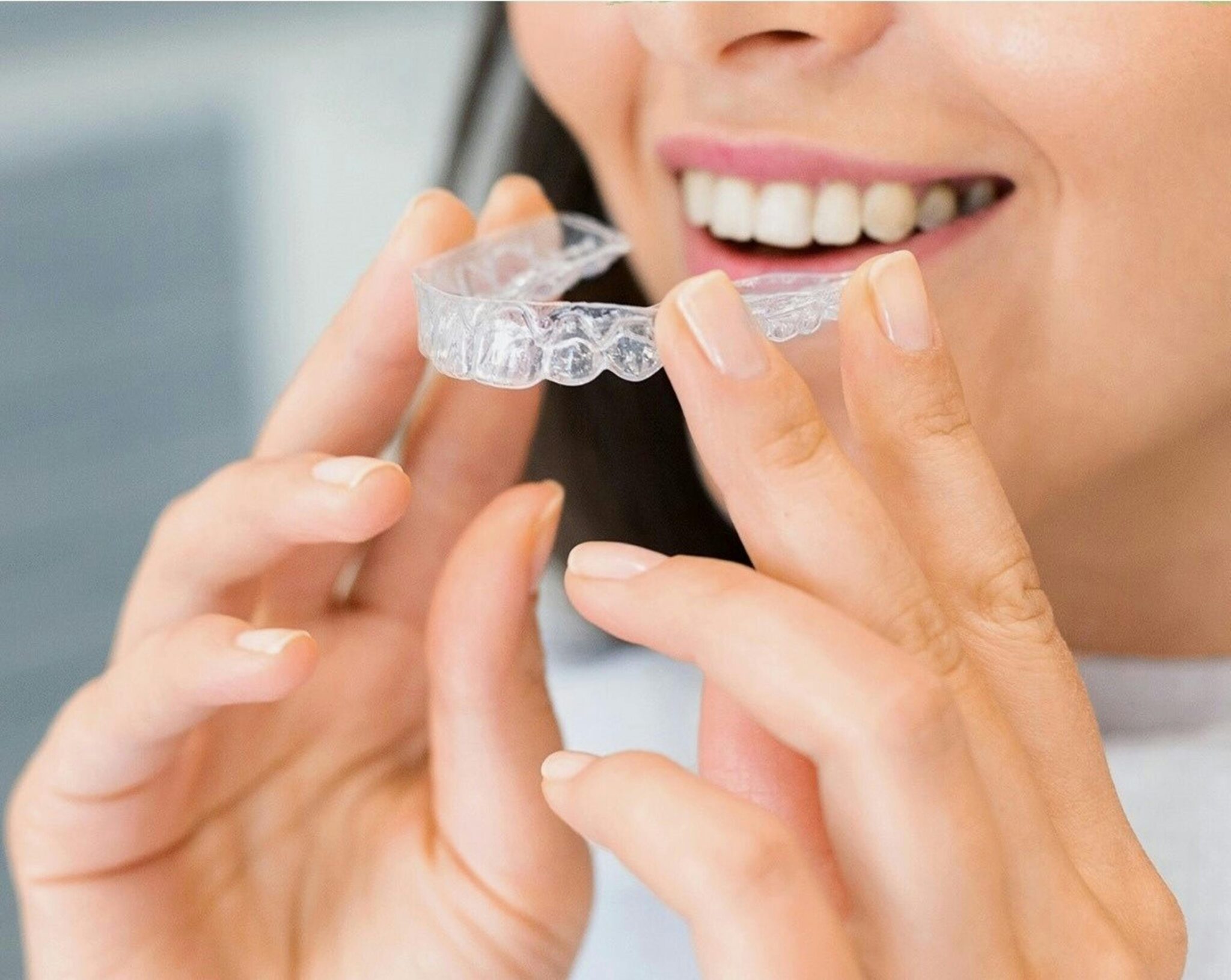
People often hear the words "bonding" and "filling" in the same appointment, sometimes in the same sentence, and assume they mean essentially the same thing. They do overlap. Both use tooth-colored composite resin in many cases. Both can restore a tooth without the look of old silver amalgam. Both are conservative compared with crowns. Yet in daily practice, they solve different problems, and the distinction matters.
A patient might point to a small chip on the edge of a front tooth and ask for a filling. Another might have a cavity between the back teeth and ask whether dental bonding would work instead. The better question is not which term sounds more familiar. It is what the tooth needs structurally, cosmetically, and functionally over the next several years.
That is where the real difference lies. A filling is primarily a treatment for decay or a defect created by removing decay. Dental Bonding is usually discussed as a cosmetic or minor restorative procedure that reshapes or repairs a tooth with adhesive resin. The materials can be similar, but the purpose, preparation, and expectations are often different.
Why the confusion is so common
Dentistry has changed a lot over the past few decades. There was a time when many patients associated fillings with metal and bonding with white cosmetic work on front teeth. Today, composite resin is used for both routine cavity treatment and aesthetic repairs. As a result, the terms blend together in casual conversation.
Dentists do not always help the confusion. In a busy operatory, a clinician might say, "We’ll bond the filling in place," because the filling material is bonded to the tooth. Technically that is accurate. But to a patient, it can sound like bonding and fillings are interchangeable procedures, when they are not always discussed that way in treatment planning.
The easiest way to separate them is to think in terms of intent. If the main goal is to treat tooth decay and restore lost structure after cleaning out the cavity, you are usually talking about a filling. If the main goal is to repair a chip, close a gap, reshape a small area, or improve appearance with resin added to the tooth surface, you are usually talking about dental bonding.
What a filling is really designed to do
A filling restores a tooth that has been damaged by decay, wear, or a small fracture. The classic example is a cavity. The dentist removes the decayed portion of the tooth, cleans the area, and places material to rebuild the missing part.
That sounds simple, but it involves several practical decisions. How deep is the cavity? Is it between the teeth where floss passes? Is it on the chewing surface where bite forces are heavy? Is the tooth already weakened by an older large restoration? A filling has to do more than look decent. It has to seal the tooth, support chewing, and reduce the risk of further breakdown.
Modern tooth-colored fillings are often made from composite resin. That resin is placed in layers, shaped carefully, hardened with a curing light, and polished. When done well, it can blend nicely with the natural tooth, especially in visible areas. In back teeth, though, beauty is only part of the story. Bite accuracy matters just as much. A filling that is even a fraction too high can make a patient miserable for days.
A well-placed filling is a workhorse restoration. It is less about cosmetic refinement and more about restoring health and function while preserving as much natural tooth as possible.
What Dental Bonding is meant to accomplish
Dental Bonding usually refers to adding composite resin directly to a tooth to improve shape, color, contour, or minor damage. It is one of the most conservative cosmetic treatments in dentistry because it often requires little or no drilling.
Typical cases include a chipped front tooth, a tooth that looks slightly too short, a small gap between teeth, exposed root surfaces near the gumline, or a tooth with a stubborn area of discoloration. Bonding can also smooth out irregular edges or create visual symmetry when one front tooth does not match its neighbor.
When it works, it works beautifully. A subtle bonding case can change a smile in under an hour without the cost or permanence of veneers. I have seen patients come in embarrassed by a tiny front tooth chip that nobody else noticed, then leave visibly relieved after a repair smaller than a grain of rice. That emotional side of cosmetic dentistry is easy to underestimate. Small changes can carry a lot of weight for the person living with them.
But bonding is not magic. Resin added to the edge of a front tooth has different durability demands than resin packed into a cavity on a molar. A bonded edge can stain, chip, or wear over time, especially in patients who bite their nails, chew ice, grind their teeth, or use their front teeth like tools. It is conservative, yes, but it is also technique-sensitive and best for carefully selected situations.
The material may look similar, but the job is not
This is the point many patients miss. Composite resin can be used in both procedures, yet the clinical problem being solved is different.
A filling begins with disease management or structural repair. The dentist is removing something damaged, then rebuilding what is missing. Dental Bonding often begins with a mostly healthy tooth that needs refinement, enhancement, or a small https://wakelet.com/@toothworksbakers repair. In a filling, the tooth dictates the shape because lost structure has to be replaced properly. In bonding, the dentist has more freedom to sculpt and design.
Think of it this way. If a wall has water damage and you cut out the compromised section, patching it is one kind of repair. If the wall is sound but you want to smooth a dent or improve the finish, that is another. Both may involve similar patching material. The intention and technique still differ.
How preparation differs in the chair
A cavity filling usually requires anesthetic, especially if the decay is past the enamel or close to the dentin. The dentist removes decayed tooth structure with a handpiece or other instruments, isolates the tooth to keep it dry, then places the filling. There is a clear treatment sequence because infected or softened tissue has to be addressed before restoration.
Dental Bonding can be much lighter in preparation. For a small chip or cosmetic contour change, the surface may be roughened slightly, etched, coated with bonding agent, and built up with composite. Sometimes no anesthetic is needed at all. That surprises patients, especially those who expect every dental procedure to involve drilling and numbness.
There are exceptions. If bonding is being used on a worn or sensitive area near the gumline, local anesthetic may still be appropriate. And if a filling is very shallow, the procedure might be almost as simple as bonding cosmetically. Real treatment does not always fit neatly into labels. Still, on average, fillings involve more removal and more restorative necessity, while bonding tends to be more additive and surface-focused.
Where each one tends to work best
Location matters. Front teeth and back teeth live very different lives.
Dental Bonding shines in visible areas where detail, translucency, and contour make a difference. Minor chips, shape corrections, and small gaps on anterior teeth are ideal examples. The dentist can layer shades and polish the surface to catch light naturally. When done by a skilled hand, the repair disappears into the smile.
Fillings are more common in posterior teeth because cavities often occur in pits, grooves, and contact points where plaque collects. Those teeth absorb substantial biting force. A restoration there has to be durable, not just attractive. Composite fillings do this well in small to medium-sized cavities, but when too much tooth is missing, a filling may no longer be enough. That is the point at which inlays, onlays, or crowns enter the conversation.
This is one of the biggest treatment planning errors patients make when they compare procedures by price alone. A cosmetic bond on a front tooth and a load-bearing restoration in a molar are not equivalent jobs, even if the invoice line item looks similar.
A practical side-by-side look
| Aspect | Dental Bonding | Fillings | |---|---|---| | Primary purpose | Cosmetic improvement or minor repair | Restore a tooth after decay or structural loss | | Typical location | Front teeth, visible areas, small defects | Back teeth and any area with cavities | | Tooth preparation | Often minimal, sometimes no drilling | Usually involves removing decay or damaged tooth structure | | Anesthetic | Often not needed for minor cases | Commonly needed | | Long-term demands | Best for low to moderate stress areas | Designed for functional chewing and sealing cavities |
The overlap is real, but this table captures the pattern most patients actually encounter.
Durability, and the truth patients should hear
Patients often want a simple answer to longevity. They ask whether bonding or fillings "last longer," as if one category automatically wins. It is not that clean.
A small composite filling in a well-isolated molar cavity may last many years. So may a carefully placed bonding repair on a front tooth in someone with a gentle bite. On the other hand, both can fail early if the environment is hostile. Heavy clenching, poor oral hygiene, large restorations, high sugar intake, dry mouth, acid erosion, and weak enamel all shorten lifespan.
In everyday practice, cosmetic bonding on front edges tends to need more maintenance than people expect. It may not fail dramatically, but it can lose polish, pick up stain at the margins, or chip slightly. Coffee, red wine, tobacco, and strongly pigmented foods affect composite more than they affect glazed porcelain. That does not make bonding a poor choice. It just means it is a maintenance-friendly solution, not a permanent one.
Fillings have their own vulnerabilities. A cavity can recur around the margins if plaque control slips. A large filling can weaken the remaining tooth if too much natural structure has already been lost. Sometimes the filling itself is intact, but the tooth around it cracks. Patients often blame the filling in that scenario, when the deeper issue is that the original tooth was compromised beyond what a simple filling could safely handle long term.
Appearance matters, but so does polish and stain resistance
Many people are drawn to Dental Bonding because it is tooth-colored and immediate. That is a fair reason. Composite resin can be shaped artfully and matched closely to adjacent enamel. For minor cosmetic flaws, it offers a lot of visual improvement without committing to veneers or more aggressive work.
Still, appearance has layers. A brand-new bonded area may look excellent on day one, then slowly become more noticeable over the years. Resin can stain, especially at the edges. It can also lose some of its high-luster finish with time. Skilled polishing helps, and periodic touch-ups can extend the life of the result, but patients should know that "tooth-colored" does not mean "forever invisible."
Composite fillings face a similar issue, though it matters less in back teeth. In smile-zone cases, margin quality is everything. A tiny mismatch in texture or translucency can be obvious under natural light. This is why small front tooth repairs can be deceptively demanding. They are tiny procedures with outsized aesthetic stakes.
Cost is important, but value is broader than price
Bonding is often less expensive upfront than porcelain veneers or crowns, which makes it appealing for cosmetic fixes. Fillings are usually priced according to size, surfaces involved, and complexity. Insurance often helps with fillings done for decay, but cosmetic bonding may not be covered at all.
That difference shapes how patients perceive the two treatments. If one is partly covered and the other is not, the filling can seem like the practical choice even when the concern is aesthetic. But value should be measured by suitability, not just reimbursement. A lower-cost treatment that is poorly matched to the tooth can become more expensive when it needs revision or replacement.
I have seen patients request bonding to avoid the cost of a more robust restoration, only to discover later that the tooth really needed something stronger because of bite forces or structural loss. I have also seen the opposite, where a patient assumed a chipped front tooth required a veneer or crown, when a small bonded repair restored the smile beautifully in a single visit.
When one can become the other
Dentistry is not a dictionary. The categories blur.
A cervical filling near the gumline may look and behave a lot like bonding. A repaired chip caused by trauma may be charted as an anterior composite restoration, which sounds like a filling but functions cosmetically like bonding. Some dentists use the term "bonding" with patients because it is friendlier and easier to visualize than "Class IV composite restoration."
That does not mean the distinction is meaningless. It means treatment planning happens on a spectrum. The best conversations focus less on labels and more on questions like these: Are we treating decay? Are we changing shape? How much healthy tooth must be removed? What kind of forces will this area absorb? How visible is the restoration? What maintenance should you expect?
Those questions lead to better decisions than terminology alone.
Situations where Dental Bonding is usually the better fit
There are clear cases where bonding stands out as the conservative winner.
- A small chip on a front tooth with otherwise healthy enamel
- Slight unevenness in tooth shape or length
- A narrow gap that can be closed without making teeth look too wide
- A localized discolored area that does not respond to whitening
- Mild root exposure near the gumline with sensitivity or cosmetic concern
These cases benefit from the additive nature of composite. Little or no drilling, immediate results, and lower cost than porcelain make bonding attractive when the defect is modest and well-contained.
Situations where a filling is usually the better fit
When decay is present, the answer is much more straightforward. Once bacteria have broken down tooth structure, the goal shifts from enhancement to disease control and restoration. A filling is the proper framework for that problem.
Even in cosmetic-minded patients, a cavity between teeth or in the grooves of a molar is not something to "bond over" casually. The underlying decay must be removed. Likewise, if an old restoration has leakage or the tooth has softened beneath it, the tooth needs a functional repair, not surface camouflage.
This is also where size matters. If too much structure is missing, neither bonding nor a conventional filling may be ideal. A tooth with a large failing restoration or cusp fracture often needs indirect work. Patients appreciate honesty here. Not every problem has a quick white-resin answer.
The role of bite, habits, and timing
Two patients can receive seemingly identical treatment and have very different outcomes. One of the biggest reasons is bite pattern. Someone who grinds at night places huge stress on front-edge bonding. People who chew pens, tear open packages with their teeth, or crunch ice are hard on resin. Acid reflux and frequent sports drinks can also undermine margins by softening enamel and changing the oral environment.
Timing matters too. A teenager with developing aesthetics and a chipped incisor might be an excellent candidate for bonding because it is conservative and repairable. The same area could be reconsidered later in adulthood if wear patterns change or cosmetic expectations rise. Composite is useful partly because it keeps options open.
That flexibility is a major advantage. Bonding can be revised, added to, or replaced relatively easily. Fillings can also be repaired in some cases, though repeated replacement tends to enlarge the restoration over time. Every intervention has a biological cost. Good dentistry tries to spend as little tooth structure as possible.
Questions worth asking before you decide
If you are choosing between these treatments, the most helpful conversation is not "Which one is better?" But "What is this tooth asking for?" A good dentist should be able to explain that in plain language.
Ask whether the issue is decay, damage, appearance, or a mix of all three. Ask how much natural tooth will be altered. Ask how long the result typically performs in someone with your bite and habits. Ask what happens if it chips, stains, or fails. Ask whether the proposed repair is a short-term conservative step or the treatment the dentist expects to last for many years.
Those answers reveal more than the label on the procedure.
The bottom line patients remember best
Dental Bonding and fillings are close relatives, not twins. Both may use tooth-colored composite resin. Both can be conservative, effective, and attractive. The difference is in their purpose. Fillings treat cavities and restore structure after damage or decay is removed. Dental Bonding usually improves appearance or repairs minor defects by adding resin to a mostly healthy tooth.
When the right procedure is matched to the right problem, the result feels simple. The tooth looks natural, functions properly, and does not demand more treatment than necessary. That is usually the mark of good dentistry. Not the fanciest option, not the cheapest option, but the one that respects biology, bite, and the real life of the person in the chair.
Toothworks of Bakersfield, Dentist and Orthodontist
Address: 1030 H St #1, Bakersfield, CA 93304
Phone number: +16613239421
FAQ About Dental Bonding
How long does dental bonding last?
Dental bonding typically lasts between 3 and 10 years (averaging about 5 to 8 years) before it needs a touch-up or replacement. Its lifespan depends heavily on your daily habits, where the bonding is placed in your mouth, and how well you care for your teeth.
How expensive is bonding a tooth?
Dental bonding typically costs between $100 and $600 per tooth, with a national average of about $431 per tooth.
What are the downsides of dental bonding?
Dental bonding has several drawbacks, including lower durability, a shorter lifespan, and a tendency to stain compared to alternatives like porcelain veneers.