Cosmetic Dentistry Bakersfield CA for Crooked or Uneven Teeth
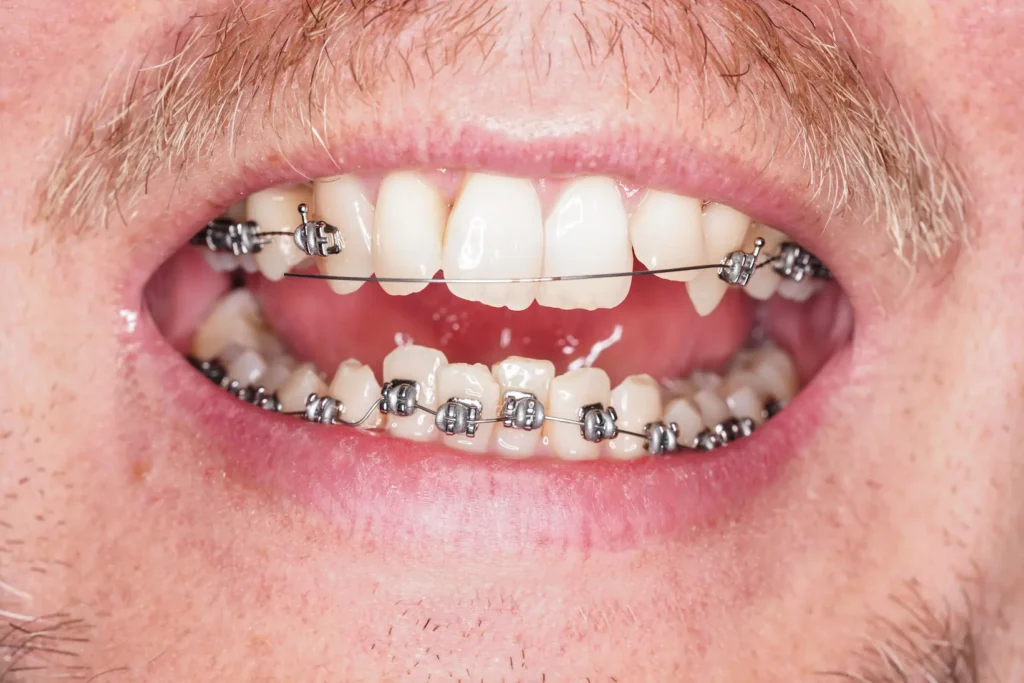
Crooked or uneven teeth rarely fit into a neat category. Some people have one front tooth that twists just enough to catch the eye in every photo. Others have mild crowding on the bottom arch, a slanted smile line, small gaps, or teeth that are technically healthy but still look irregular. The concern is often cosmetic, but it can also affect cleaning, wear patterns, speech, and comfort. In practice, those issues tend to overlap.
That is where cosmetic dentistry can be especially useful. A good dentist does not just ask how to make teeth look straighter. The better question is how to improve symmetry, proportion, and function without doing more treatment than necessary. For patients looking for Cosmetic Dentistry Bakersfield CA, that distinction matters. Not every crooked tooth needs full orthodontics, and not every uneven smile should be covered with veneers. The right plan depends on the cause of the problem, the condition of the enamel, bite stability, budget, and the result you actually want.
In a city like Bakersfield, where people often balance work, family schedules, outdoor activities, and long days in the heat, convenience also matters. Many adults finally address smile concerns after years of putting them off, not because they suddenly became vain, but because they reached a point where the mismatch between how they feel and how they present became hard to ignore. A smile that feels off can affect interviews, client meetings, social confidence, and even the simple habit of smiling without thinking about it first.
What “crooked” and “uneven” really mean in cosmetic dentistry
Patients use these words broadly, and they can describe several different things. One person says “crooked” and means overlapping front teeth. Another means a single canine that sits too high. “Uneven” might describe chipped edges, different tooth lengths, asymmetrical gum tissue, or one side of the smile showing more than the other.
That is why an experienced cosmetic dentist starts with diagnosis, not sales. Teeth can appear misaligned because of true crowding, but they can also look uneven because they have worn down at different rates, shifted after tooth loss, or erupted in slightly different positions. Sometimes the issue is not the teeth alone. The gumline may be irregular, or the bite may force certain teeth to take more pressure, making them look shorter or more prominent over time.
I have seen cases where a patient came in convinced they needed veneers on six upper front teeth, when a combination of clear aligners, edge bonding, and whitening produced a more natural result Cosmetic Dentistry Bakersfield CA with far less enamel alteration. I have also seen the reverse, where someone spent years hoping orthodontics alone would fix a smile that really needed reshaping and restoration after trauma or heavy wear. Cosmetic success often comes from combining techniques with restraint.
The first decision is not treatment, it is priorities
Before discussing porcelain or aligners, it helps to clarify what bothers you most. For some patients, the issue is obvious. They point to one tooth and say, “That one turns inward and I hate it.” Others know they dislike their smile but cannot pinpoint why. In those cases, a consultation should slow down and break the smile into pieces: alignment, color, shape, length, proportion, and gum display.
The dentist also needs to understand your tolerance for time and maintenance. A college student home for the summer may want a conservative improvement now and a bigger plan later. A professional preparing for a wedding in six months may prioritize speed. A patient who grinds heavily at night may need a more protective approach than a patient with a stable bite and pristine enamel. Cosmetic dentistry is not one-size-fits-all, and the most expensive plan is not automatically the best plan.
When orthodontics should come first
Some cosmetic concerns are best handled with tooth movement rather than camouflage. If teeth are significantly crowded, rotated, or out of bite alignment, trying to mask the issue with bonding or veneers can create bulk, compromise cleaning, or place restorations under excess stress. In those cases, straightening first often leads to a healthier and more conservative result.
Adults are often surprised by how manageable modern orthodontics can be. Clear aligners have changed the conversation for mild to moderate crowding, spacing, and relapse after braces. They are not perfect for every case, and discipline matters because they only work if worn consistently, but they have made treatment more acceptable for adults who never wanted brackets. Traditional braces can still be the better choice for certain movements, especially when the bite needs more control.
The cosmetic advantage of orthodontics is that it preserves natural tooth structure. If the teeth themselves are a good shape and color, moving them into better positions can transform the smile with minimal drilling or no drilling at all. The trade-off is time. Even mild cases may take several months, and more complex movement can take longer. Patients who want instant results sometimes underestimate that reality.
When veneers make sense, and when they do not
Porcelain veneers are one of the most discussed treatments in cosmetic dentistry, and for good reason. In the right case, they can correct color, shape, minor misalignment, and proportion in a way that looks refined and natural. They can be especially effective when teeth are uneven because of wear, old bonding, small size discrepancies, or mild positional issues.
They are not a shortcut for every crooked smile. If a tooth is heavily rotated or far out of line, making it appear straight with a veneer may require more reduction than many patients realize. That does not mean veneers are wrong, but it means the case should be evaluated honestly. A dentist who practices conservatively will explain where veneers can help and where orthodontics first would protect more enamel and create a cleaner result.
Patients also need realistic expectations about longevity. Veneers are durable, but they are not lifetime, maintenance-free covers. Depending on bite forces, habits, oral hygiene, and the quality of the work, they may last well over a decade, sometimes longer, but they can chip, debond, or need replacement over time. That is part of the commitment. If you are considering veneers in Bakersfield, where dry conditions and active lifestyles can contribute to dehydration, clenching, or sports-related wear in some patients, it is worth discussing night guards and long-term protection from the start.
Bonding can be a smart, conservative fix
Cosmetic bonding does not get the same attention as veneers, but it deserves more respect than it often receives. For small asymmetries, minor chips, slight rotations, black triangles, and uneven edges, bonding can offer a practical and attractive solution. It is usually more affordable than porcelain, often completed in one visit, and typically removes Cosmetic Dentistry Bakersfield CA toothworksofbakersfield.com less tooth structure.
The limitation is durability and stain resistance. Composite resin can look excellent when polished well, but over time it may pick up discoloration, especially in patients who drink coffee, tea, or red wine regularly. It can also chip more easily than porcelain. For many people, though, that trade-off is acceptable. If the issue is one laterally positioned tooth, a small incisal discrepancy, or a subtle contour problem, bonding may be the most sensible first step.
Good bonding is technique-sensitive. Shade selection, surface texture, translucency, and edge refinement all matter. Done poorly, bonding can look flat or obvious. Done well, it disappears into the smile.
Contouring and enameloplasty for subtle irregularities
Sometimes the fix is surprisingly simple. If the problem is minor unevenness in edge shape or a tooth that looks slightly too pointed, long, or bulky, enamel contouring can refine the appearance quickly. This works only when the amount of change needed is small and the enamel thickness allows safe reshaping.
This kind of treatment is often overlooked because it is not dramatic. But in cosmetic dentistry, small changes can make a disproportionate difference. Smoothing a slightly jagged edge, balancing central incisors, or reducing a tiny overlap can help the entire smile look more harmonious. It is the sort of adjustment that patients may not be able to name afterward, they just know the smile looks better.
Gumline symmetry can change the whole picture
Not all uneven smiles are caused by teeth alone. If one tooth looks shorter than the one next to it, the problem may actually be excess gum tissue rather than tooth length. Uneven gum levels can make otherwise healthy teeth appear crooked, worn, or mismatched.
In those cases, cosmetic gum contouring may be part of the answer. By carefully reshaping the soft tissue, the dentist can create more balanced tooth display and improve symmetry. This is especially relevant for upper front teeth, where even small differences in gum height become visible. Sometimes gum contouring is done on its own. Other times it is paired with bonding, veneers, or whitening to complete the result.
This is one of those areas where aesthetic judgment matters as much as technical skill. A gumline should not just be “higher” or “lower.” It should follow a pleasing pattern that suits the face, lip line, and tooth proportions.
Whitening is often the finishing step, not the main fix
Crooked or uneven teeth draw more attention when they are also stained or patchy in color. Whitening does not straighten anything, of course, but it can sharpen the result of other cosmetic work and make minor irregularities less distracting. A smile that is a bit uneven often appears more polished once the color is brighter and more uniform.
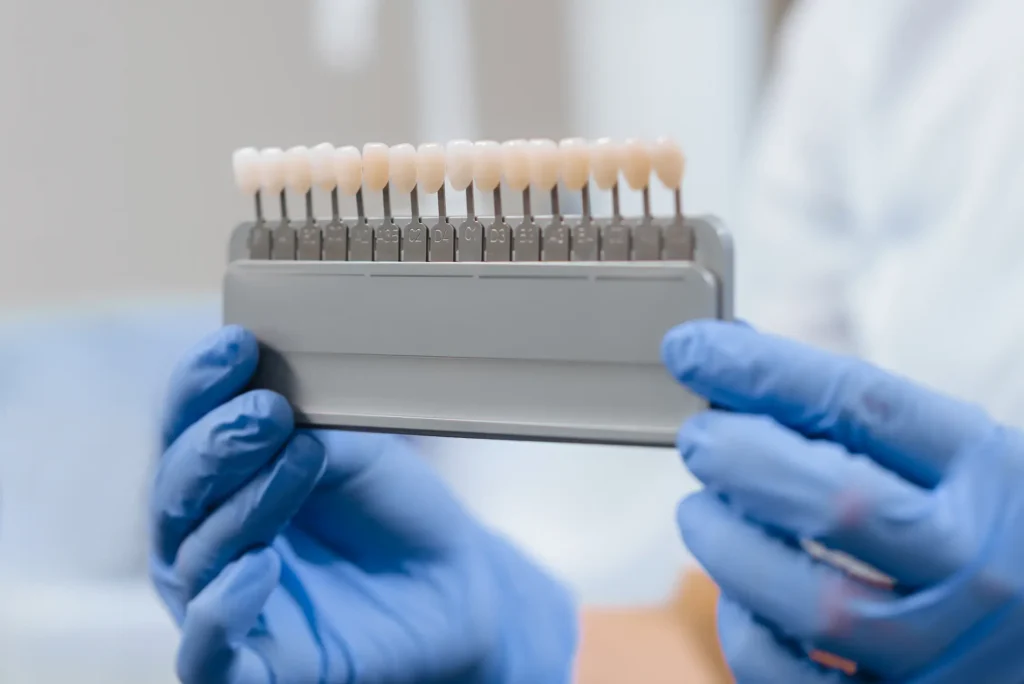
The timing matters. If you are considering bonding or veneers, whitening usually comes first so the final restorations can be matched to the lighter shade. This avoids the problem of placing beautiful restorations and then deciding later that the surrounding teeth look too dark.
Whitening also has limitations. It will not change the shade of crowns, veneers, or fillings, and it will not fix deep intrinsic discoloration as predictably as many advertisements suggest. In a consultation for Cosmetic Dentistry Bakersfield CA, this should be discussed openly so you do not chase a result whitening alone cannot deliver.
Common treatment paths for crooked or uneven teeth
Different smiles call for different combinations, but these are the most common directions a treatment plan may take:
- Clear aligners alone, when the main issue is mild to moderate crowding, spacing, or relapse and the teeth themselves are otherwise attractive.
- Aligners followed by bonding or contouring, when position improves first and small shape issues are refined at the end.
- Veneers, when color, shape, and mild misalignment all need correction at once and the patient understands the long-term commitment.
- Bonding and enamel reshaping, when the changes are modest and preserving natural tooth structure is the priority.
- Gum contouring with restorative work, when tooth length looks uneven because the gumline is part of the problem.
A good plan often sounds less dramatic than patients expect. It may involve fewer procedures than social media suggests, but more sequencing and judgment.
Why bite matters more than many people realize
A smile can look straight on day one and still fail over time if the bite is unstable. This is one of the most important points patients miss when comparing cosmetic options. If front teeth are restored beautifully but hit too hard during chewing or grinding, chips, fractures, and premature wear are more likely.
That is why comprehensive cosmetic dentistry includes functional evaluation. How do the teeth contact when you close? Do you slide into a different position? Are there signs of clenching such as flattened edges, craze lines, or sore jaw muscles? Is there a history of breaking fillings? These questions are not separate from esthetics. They shape whether a cosmetic result lasts.
In Bakersfield, many patients work physically demanding jobs or spend long hours under stress, and that can show up as nighttime clenching. It is common to meet adults who wore down their edges for years without realizing it until photos made the changes obvious. For them, improving the smile means restoring lost shape and protecting it with a night guard, not just making teeth whiter or straighter.
Choosing between speed, cost, and conservation
Most cosmetic decisions come down to trade-offs. Patients often want the fastest option that looks natural, preserves tooth structure, lasts a long time, and stays within budget. Usually you can get three or four of those, not all five.
Aligners preserve tooth structure well, but they take time. Veneers can create a dramatic transformation faster, but they are more invasive and more expensive. Bonding is conservative and cost-effective, but it may need more maintenance. Minor contouring is simple and elegant when indicated, but only works for subtle cases.
This is where a thoughtful dentist earns trust. The best recommendations are not based on what is most profitable or most marketable. They are based on what solves the actual problem with the least downside.
What to ask during a cosmetic consultation
A useful consultation should leave you clearer, not more confused. If you are comparing providers for Cosmetic Dentistry Bakersfield CA, these questions tend to reveal a lot:
- What is causing the uneven appearance, tooth position, tooth shape, gumline, bite, or a combination?
- Can this be treated conservatively, or do you believe restorative work is necessary?
- If veneers are suggested, why are they preferable to aligners or bonding in my case?
- How long should I expect the result to last, and what maintenance will it require?
- Can I see before-and-after examples of cases with problems similar to mine?
The answers matter, but so does the way they are given. Clear, specific explanations usually signal experience. Vague promises and rushed treatment plans usually do not.
The value of previews and mock-ups
One of the most useful tools in cosmetic planning is a preview, whether that means digital simulations, wax-ups, or temporary mock-ups placed in the mouth. These are not perfect predictions, but they help translate abstract goals into something visible. That is especially important when correcting uneven teeth, because tiny changes in width, length, and angulation can alter the personality of a smile.
Patients often discover through a mock-up that they prefer a more natural, slightly textured look rather than a very smooth, bright, uniform style. Others realize they want less change than they first imagined. That is a good outcome. Cosmetic dentistry should refine your smile, not replace it with a version that feels unfamiliar.
Recovery, maintenance, and long-term expectations
Most cosmetic procedures for crooked or uneven teeth involve relatively little downtime, but maintenance is where the real discipline begins. Aligners require wear and retainer use after treatment. Bonding benefits from avoiding habits like nail biting, ice chewing, or tearing packages open with the teeth. Veneers need careful home care and often a guard if you clench. Whitening may need periodic touch-ups.
Small details affect longevity. A patient who drinks iced coffee all day through a straw may maintain whitening better than one who sips hot coffee over several hours. Someone with a stable bite and good enamel may keep bonding intact for years, while another with heavy grinding may chip it quickly. There is no universal timeline that applies to everyone, which is why honest dentists speak in ranges and probabilities rather than guarantees.
Bakersfield patients often do best with practical, staged care
One pattern that comes up often is the staged approach. Instead of doing everything at once, treatment is sequenced to spread cost, preserve options, and let the smile evolve intelligently. A patient might begin with orthodontic movement, then whiten, then refine one or two teeth with bonding. Another might replace old, mismatched dental work first and postpone elective veneers until later.
This approach suits real life. It also tends to produce better decisions because patients can see each stage before committing to the next. There is less regret when treatment proceeds in thoughtful steps.
For people searching for Cosmetic Dentistry Bakersfield CA, this is worth remembering. The best office is not necessarily the one that proposes the most dramatic makeover on the first visit. It may be the one that listens closely, identifies what truly needs correction, and builds a plan that respects biology, aesthetics, and budget equally.
A straighter-looking smile does not always require a dramatic overhaul
That is the reassuring part for many adults. Crooked or uneven teeth can often be improved more conservatively than expected. Sometimes the answer is orthodontics. Sometimes it is careful bonding. Sometimes it is a blend of movement, reshaping, whitening, and gum refinement. The common thread is precise diagnosis and restraint.
A natural-looking cosmetic result rarely comes from chasing perfection tooth by tooth. It comes from creating balance across the whole smile, so nothing pulls the eye for the wrong reason. When that happens, people usually do not say, “What dental work did you have done?” They say, “You look great,” and they cannot quite explain why. That is usually the sign the work was done well.
Toothworks of Bakersfield, Dentist and Orthodontist
Address: 1030 H St #1, Bakersfield, CA 93304
Phone number: +16613239421
FAQ About Cosmetic Dentistry Bakersfield CA
What is considered cosmetic dentistry?
Cosmetic dentistry includes any dental treatment focused primarily on improving the appearance of your teeth, gums, or bite rather than treating a disease or restoring basic function.
How much does cosmetic dentistry usually cost?
The cost of cosmetic dentistry typically ranges from a few hundred dollars for minor touch-ups to over $20,000 for a comprehensive smile makeover, depending entirely on the specific procedure, materials used, and how many teeth are treated. Because most cosmetic treatments are elective, they are usually paid out of pocket without insurance coverage.
Is there a difference between a regular dentist and a cosmetic dentist?
Yes, a regular dentist focuses on your overall oral health and preventing disease, while a cosmetic dentist focuses on improving the look of your smile.